
The clock is no longer simply ticking—it is compounding, accelerating with a force that reflects the structural fragility of the modern global economy. What we are witnessing is not a temporary disturbance, nor an isolated sequence of geopolitical shocks, but the exposure of a deeper systemic vulnerability: a civilization built upon finite energy flows, increasingly strained by its own scale, complexity, and dependence.
Across continents, disruptions to critical energy corridors—whether through conflict, political tension, or logistical bottlenecks—have revealed a truth long understood but rarely confronted at scale: when the flow of oil and gas is threatened, the architecture of the global economy begins to tremble. Prices surge with volatility. Supply chains tighten with precision fragility. Inflation ripples outward, touching every layer of society—from sovereign balance sheets to household stability. Markets react, but beneath the reaction lies something more profound: a recognition that the system itself is exposed.
This is not a hypothetical future scenario. It is a real-time preview of a world approaching the limits of its foundational model.
For over a century, progress has been defined by extraction. Humanity has advanced by reaching deeper into the Earth, drilling further, mining more intensively, and burning accumulated geological carbon at an unprecedented scale. This model has delivered extraordinary growth—industrial expansion, technological progress, global connectivity—but it has done so through a linear logic: take, use, exhaust.
Today, that logic is colliding with reality.
Resource constraints are tightening. Demand continues to expand across emerging and developed economies alike. Environmental pressures intensify, not as abstract risks, but as tangible economic variables—impacting agriculture, infrastructure, insurance systems, and geopolitical stability. The cost of maintaining the existing system is rising, while its resilience is declining.
The coming decades will not mark the abrupt disappearance of fossil fuels—but they will define their diminishing reliability. Accessibility will fluctuate. Affordability will be challenged. Stability will erode under the pressure of competing interests and constrained supply. Each disruption will not be an anomaly, but an amplifier—intensifying volatility across interconnected global systems.
The question is no longer whether limits exist.
The question is whether humanity can design a system that transcends them.
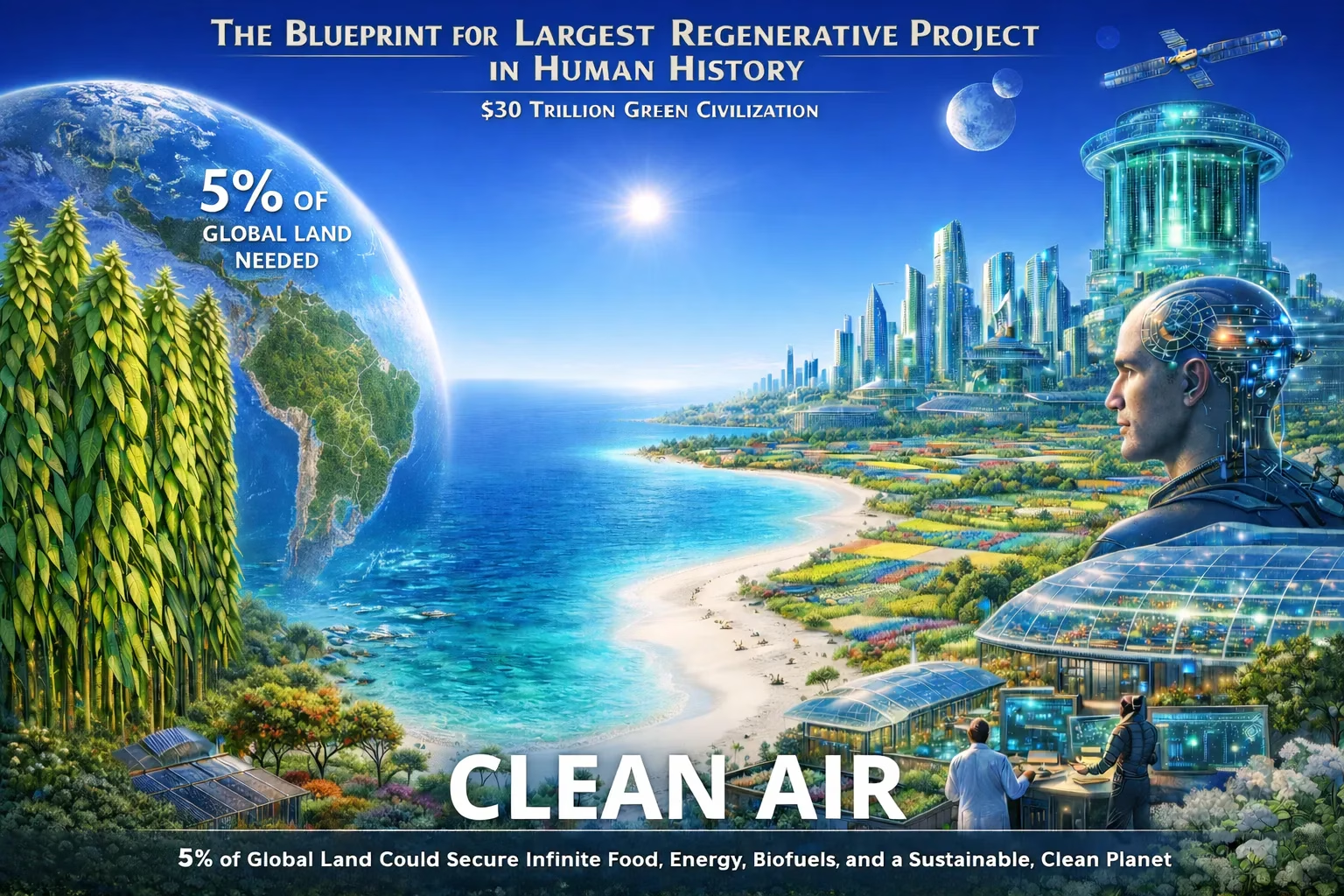
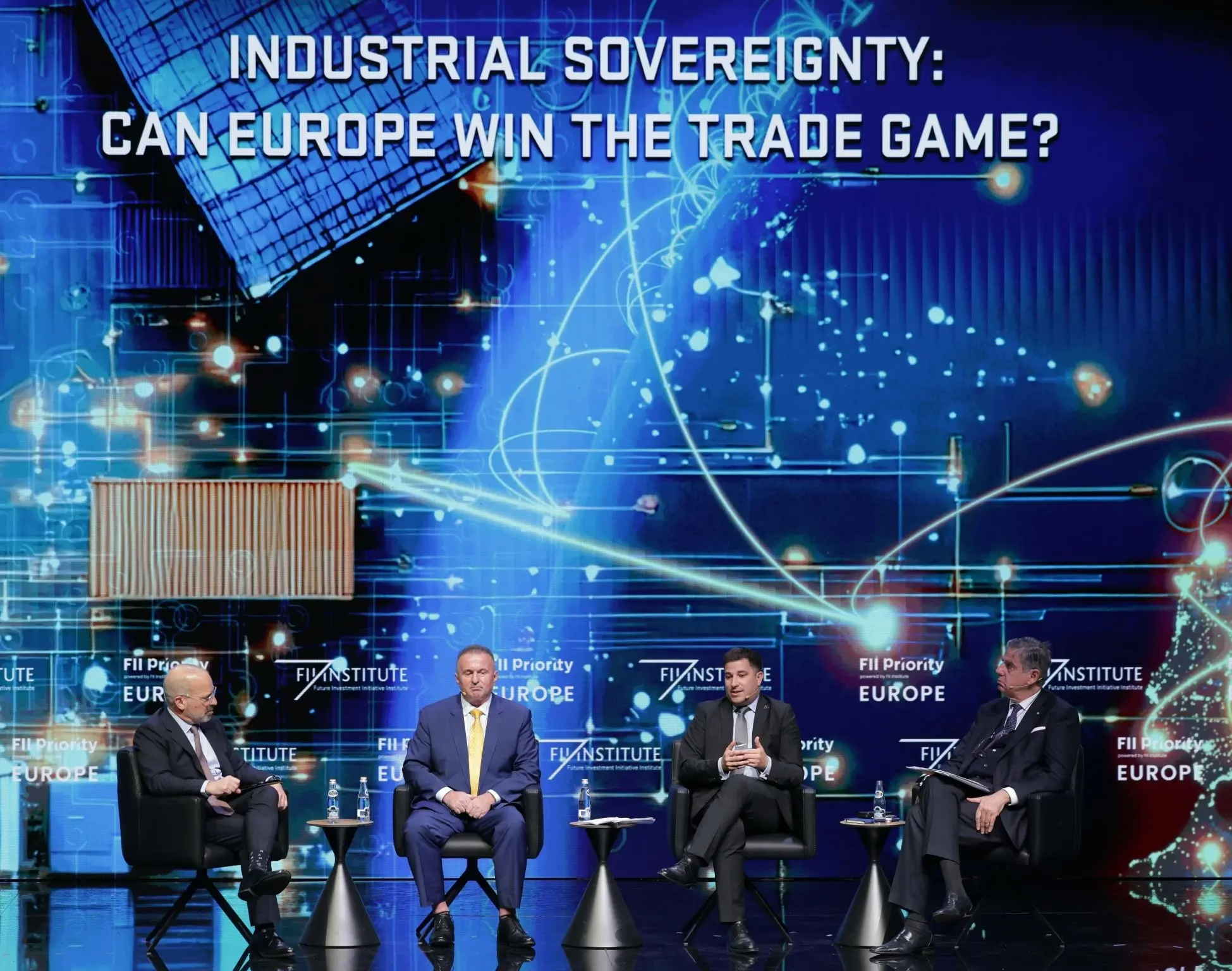
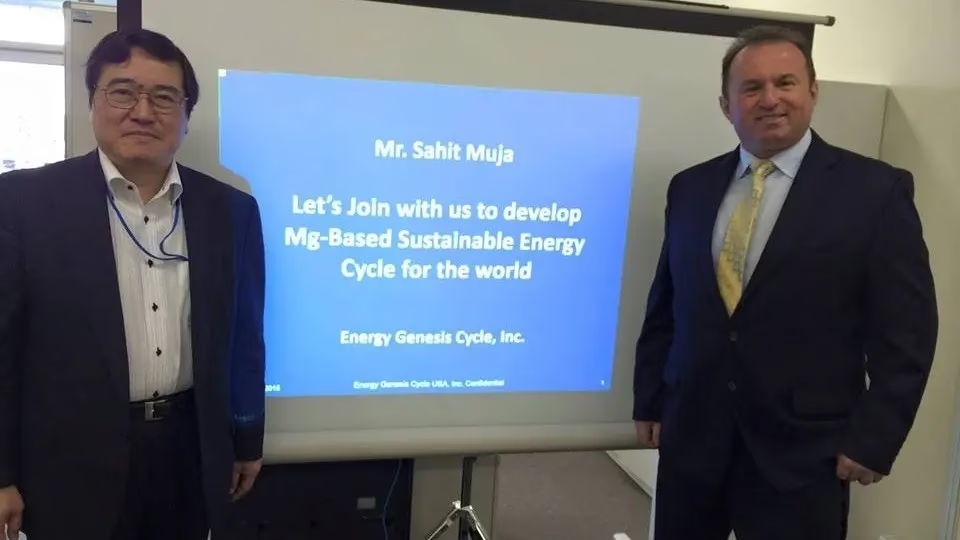
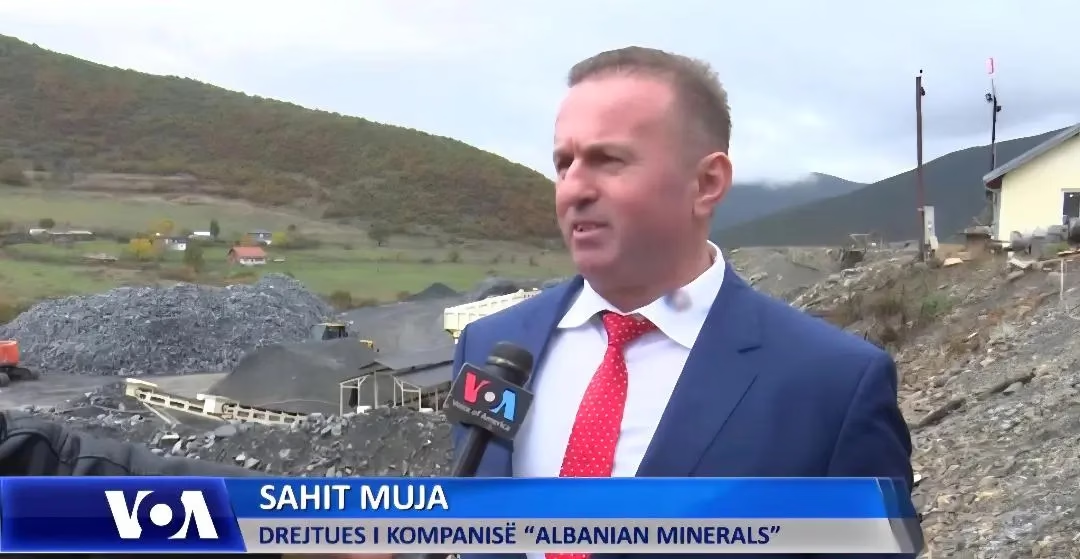
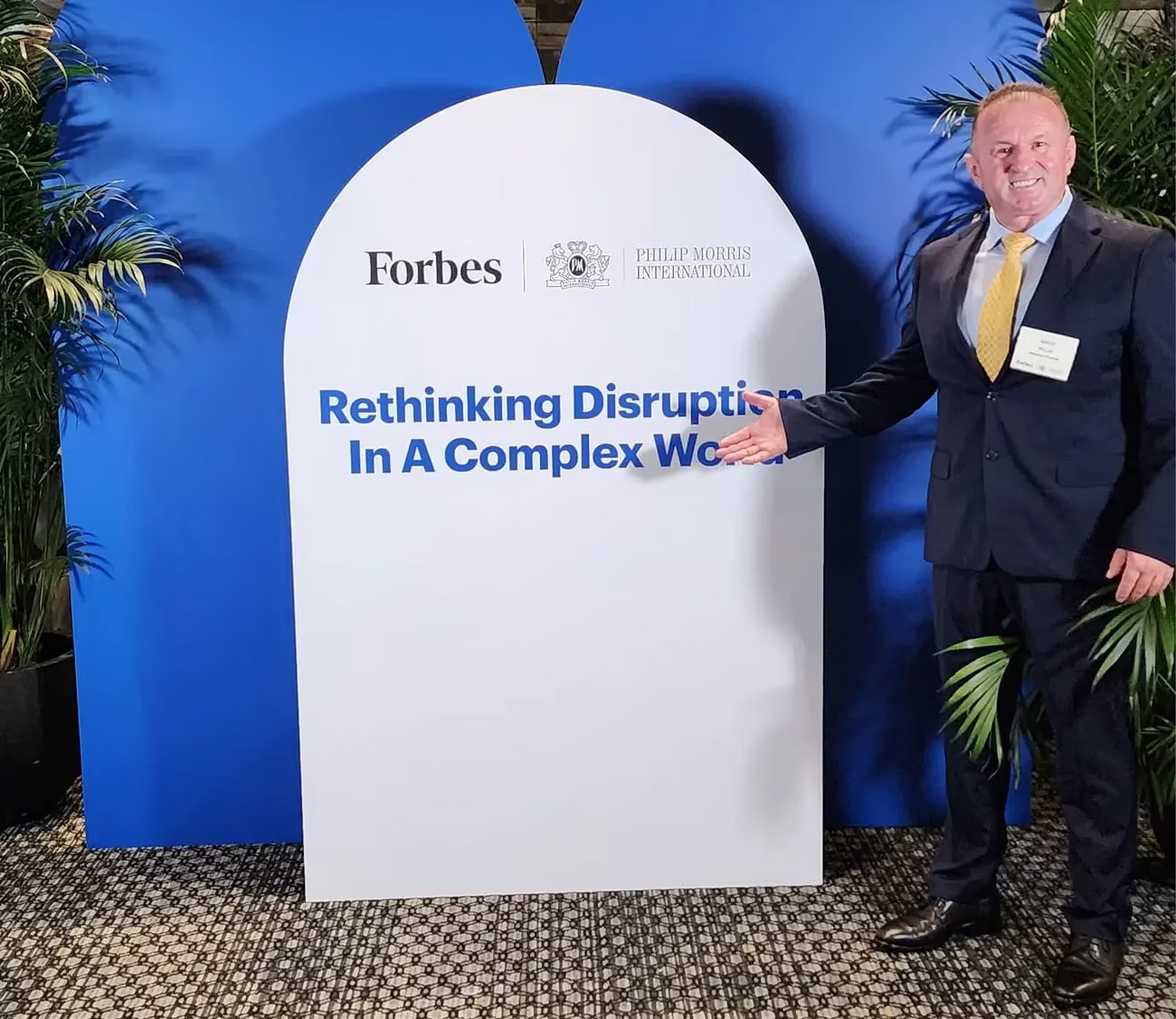
At the center of this emerging transition stands Sahit Muja, an Albanian-American entrepreneur advancing a vision of economic transformation at unprecedented scale—a $30 trillion regenerative system designed not to optimize extraction, but to replace it entirely.
This is not framed as an incremental energy transition. It is conceived as a structural redefinition of production itself.
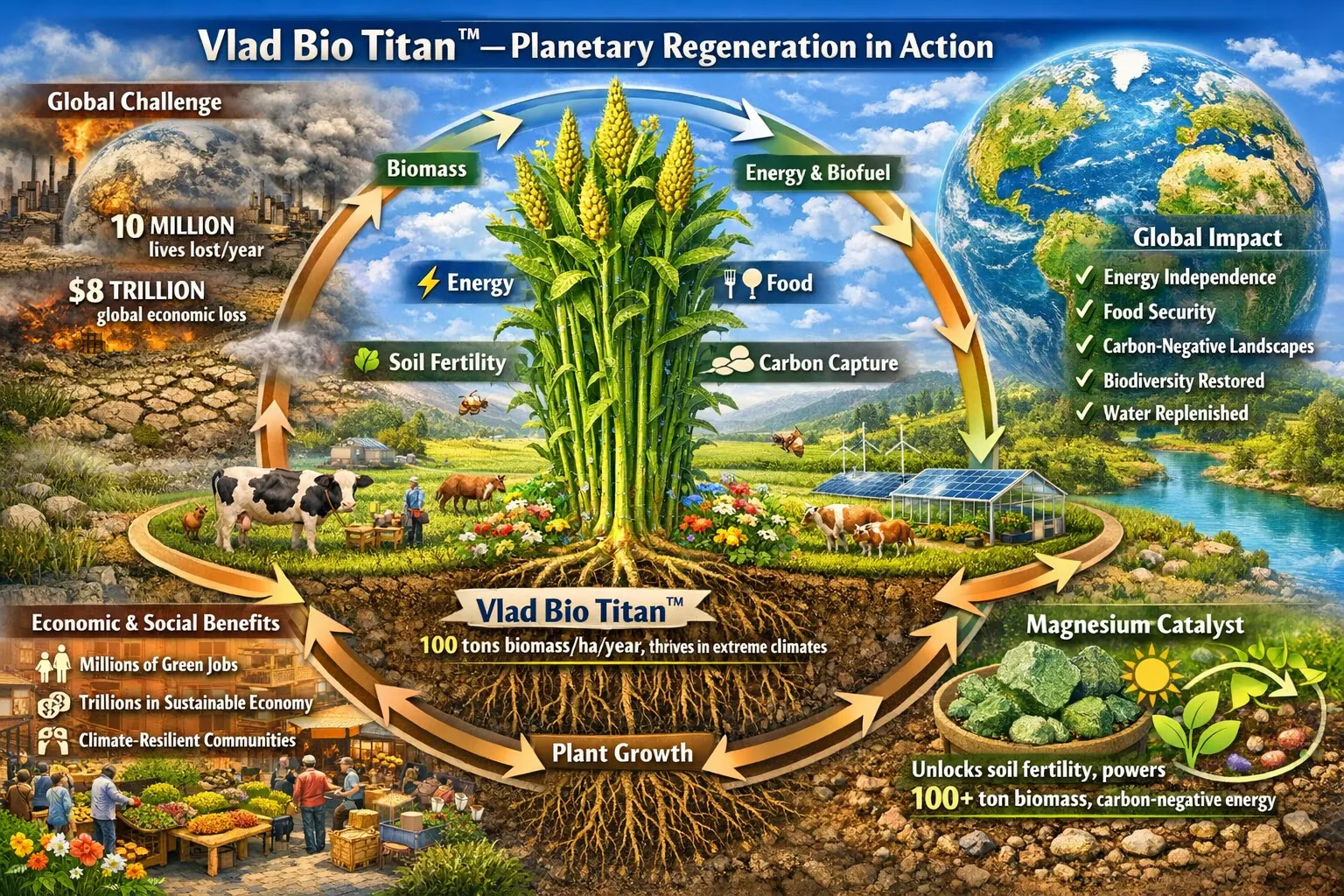
Rather than extracting energy from geological reserves, this model generates it from living systems—through advanced biofuel architectures that convert renewable biomass into clean, scalable energy carriers. It replaces linear consumption with circular intelligence, where resources are not depleted but continuously regenerated, flowing through interconnected cycles of production, use, and renewal.
At its core lies a radical yet elegantly simple concept: land as a living engine.
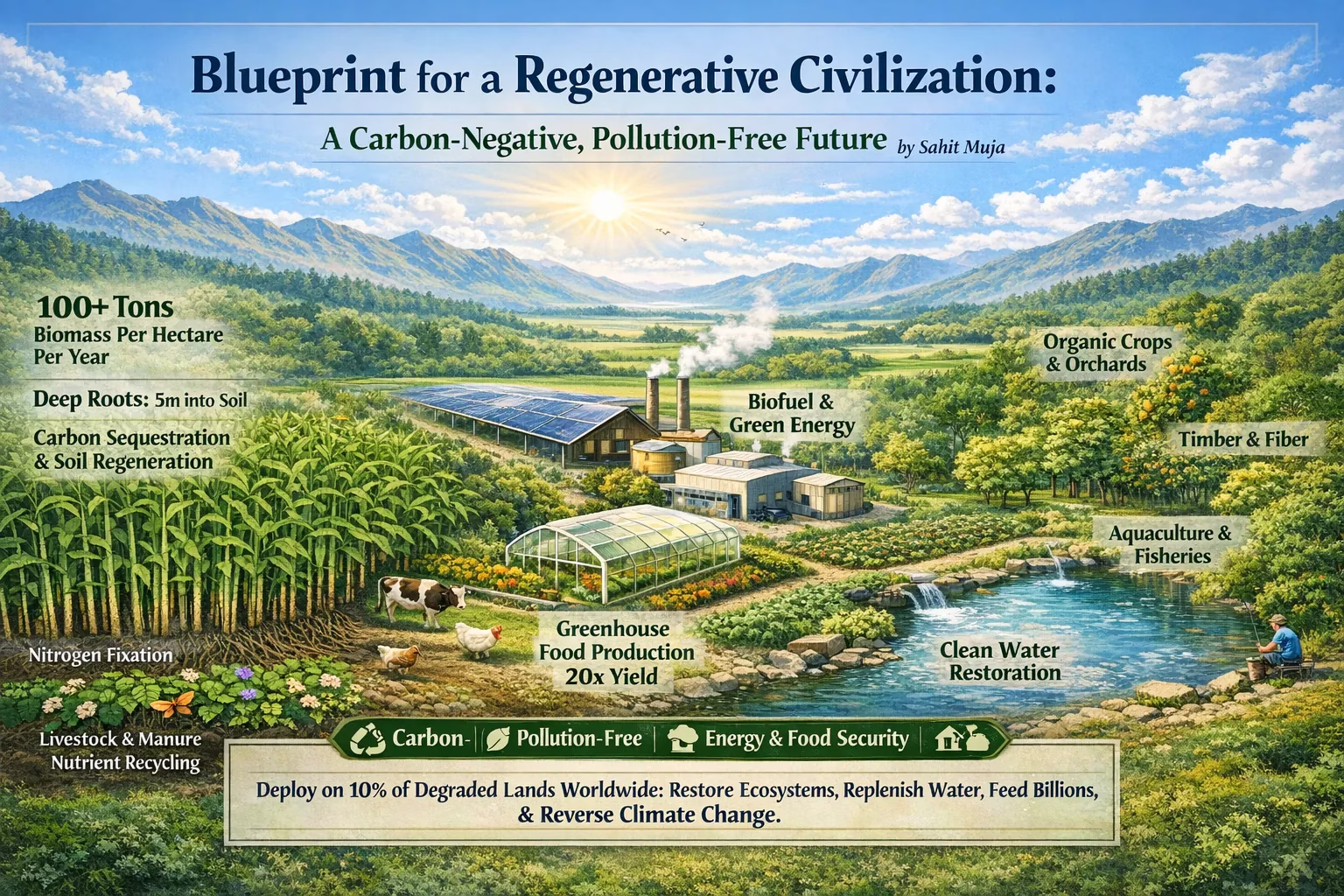
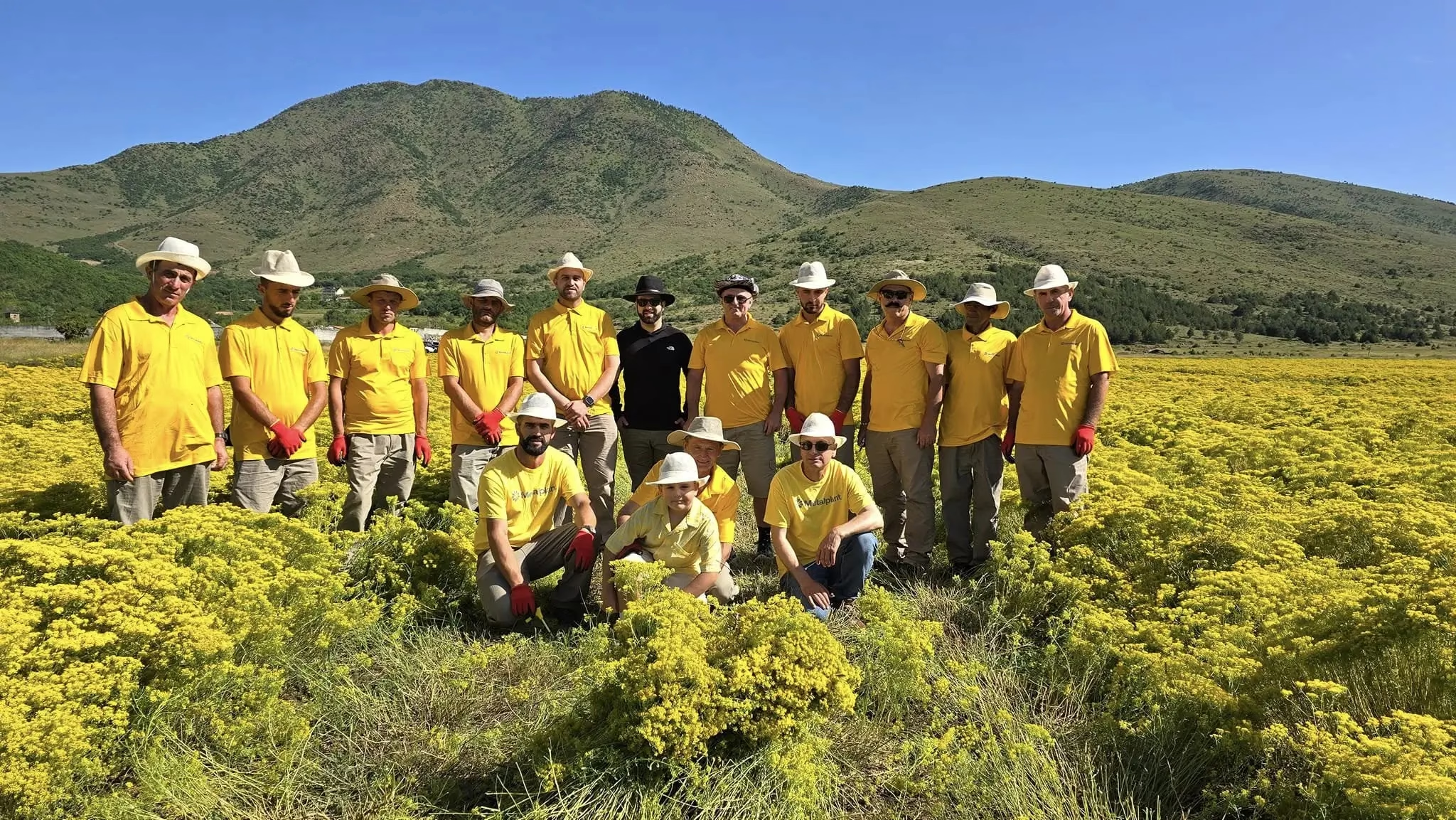
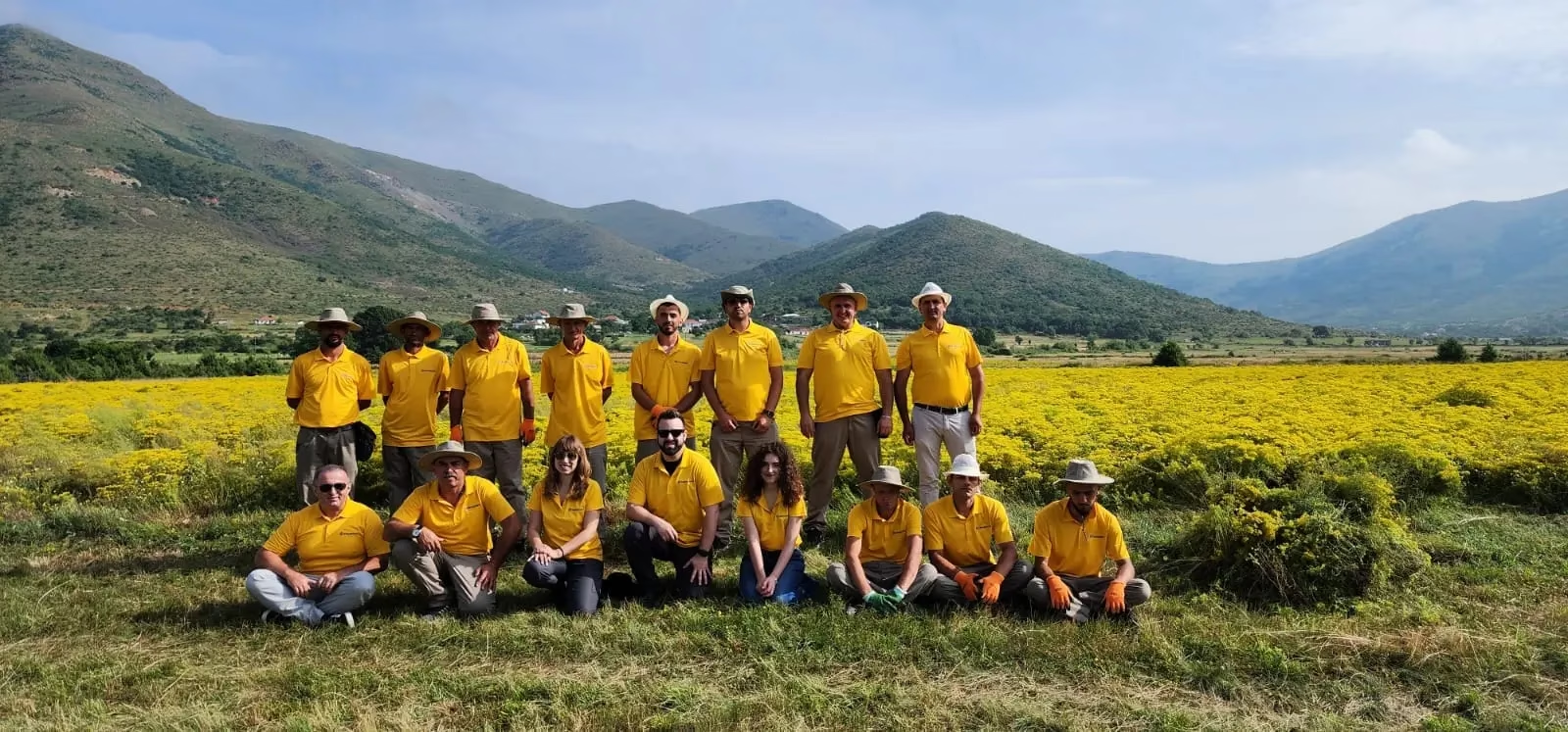
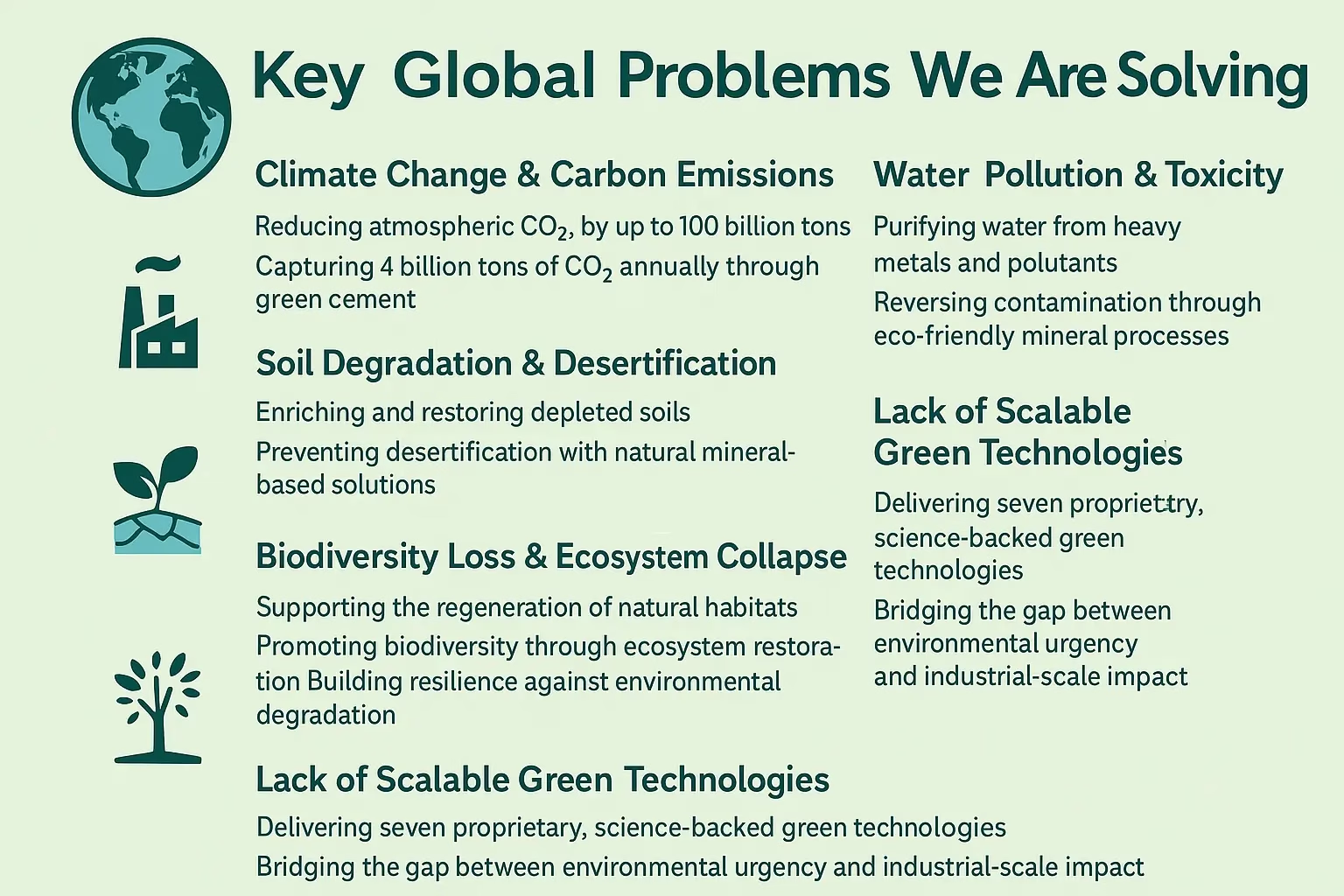
Through advanced perennial biomass systems, engineered for exceptionally high productivity per hectare, sunlight is transformed into a continuous stream of outputs—biofuel, electricity, food, and industrial materials. Unlike conventional agricultural or industrial systems, these biological platforms do not degrade the land over time. They enhance it. Soil becomes richer. Biodiversity expands. Carbon is absorbed and reintegrated into productive cycles. Ecological resilience is not a byproduct—it is a central design principle.
Surrounding this biological foundation is a fully integrated ecosystem of technologies and processes. Regenerative agriculture operates in synchrony with intelligent greenhouse systems, enabling year-round precision cultivation. Advanced aquaculture systems optimize protein production while maintaining ecological balance. Material cycles are designed for permanence and reuse, ensuring that waste, as a concept, is systematically eliminated.
Artificial intelligence and automation form the orchestration layer of this system—continuously optimizing inputs, outputs, and environmental conditions. Every variable is measured, adjusted, and refined in real time. Water is purified, recycled, and reintegrated. Nutrients circulate seamlessly across biological and industrial processes. Energy is produced locally, reducing dependency on vulnerable global supply chains.
What emerges is not merely a collection of innovations—but a coherent, self-reinforcing architecture.
A system in which each component strengthens the others.
A system that does not rely on external inputs to sustain itself, but generates its own continuity through intelligent design.
The implications extend far beyond energy.
They redefine the very structure of the global economy.
Early models suggest that a relatively small portion of the Earth’s land—strategically deployed and technologically enhanced—could generate sufficient energy, biofuel, food, and materials to support global demand. Not at the expense of ecosystems, but in alignment with them. Not through depletion, but through continuous regeneration.
In such a system, growth no longer competes with environmental stability—it reinforces it. Production becomes synonymous with restoration. Economic expansion becomes a driver of ecological recovery.
This is not sustainability as it has been traditionally defined—incremental, defensive, constrained.
This is regeneration at scale—offensive, expansive, and compounding.
The world, in its current trajectory, has been given a clear and unmistakable signal. The systems that powered the past century—while transformative—are no longer sufficient to secure the next. Their limitations are structural, not temporary. Their vulnerabilities are intrinsic, not incidental.
What is now emerging is a fundamentally different pathway.
A pathway in which energy is not extracted, but grown.
In which biofuel replaces fossil dependency with biological abundance.
In which the planet itself becomes the most advanced production system ever conceived—not as a resource to be consumed, but as a dynamic, intelligent generator of value.
For Sahit Muja, this is not a distant vision. It is an active blueprint—one that seeks to redefine how civilization produces, sustains, and evolves.
If realized, it will not simply stabilize the global economy.
It will transform its underlying logic.
From fragility to resilience.
From scarcity to abundance.
From extraction to regeneration.
And in doing so, it may mark the beginning of a new chapter in human history—one in which the forces of life itself become the primary engine of prosperity.